The Impact of Water on Structures After a Fire
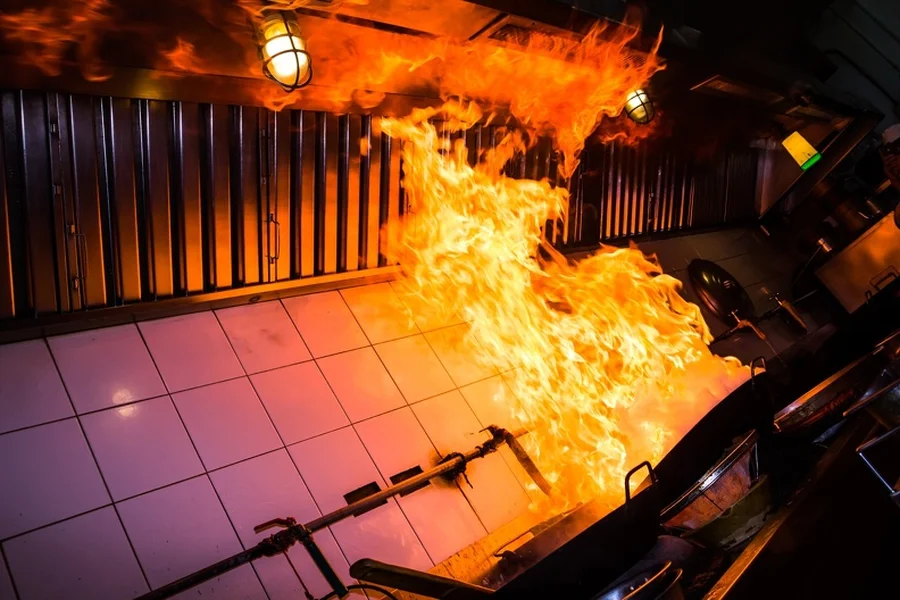
Fire can wreak havoc on any property, leaving behind destruction and debris. However, many people might not realize that water used to extinguish the fire can cause significant additional damage. When firefighters or sprinkler systems drench a building with water, it seeps into materials, creating moisture issues that persist long after the flames are out. Understanding how water affects structures already weakened by fire is crucial for effective recovery and repair.
Immediate Consequences of Water Exposure
When water hits a fire-damaged property, it starts by cooling and quenching any remaining embers. But this benefit comes with a cost. The immediate impact includes the potential for structural integrity loss as water weakens beams and walls still hot from the fire. Materials like wood swell and warp, while drywall absorbs moisture quickly, leading to further deterioration. This initial interaction sets the stage for ongoing problems, such as mold growth and corrosion.
Mold Growth in Moist Environments
One of the most concerning issues following water exposure is mold growth. Mold thrives in moist environments, making a waterlogged, fire-damaged home an ideal breeding ground. If left unchecked, mold can spread rapidly, causing health problems like allergies and respiratory issues for occupants. Addressing this requires professional intervention to both dry out the property and remove existing mold colonies.
The Role of Fire Damage Restoration Experts
After a fire, engaging experts in fire damage restoration becomes essential. These professionals not only address smoke and soot but also tackle the persistent water damage. They use specialized equipment to extract water and dehumidify spaces effectively. Additionally, they assess structural safety and replace compromised materials, ensuring that your home or business remains sound for future use.
Long-Term Structural Risks
Water damage doesn’t just pose immediate threats; it also presents risks over time. Wood rot can set in months later if beams remain damp. Corrosion of metal components, like pipes and fasteners, compromises their strength and reliability. Without timely intervention, these issues can lead to costly repairs or even complete rebuilding. Regular inspections help identify these risks before they escalate.
Cost Implications of Water-Induced Damage
The financial burden of addressing water damage extends beyond initial cleanup efforts. Long-term maintenance, mold remediation, and structural repairs add up quickly. Investing in comprehensive assessments and early interventions can save money down the line. Property owners should consider insurance coverage that addresses both fire and subsequent water damage to mitigate these costs effectively.
Best Practices for Managing Water Damage
Property owners need a plan to manage water damage effectively. Here are some best practices:
- Promptly remove all standing water using pumps or wet vacuums
- Use fans and dehumidifiers to reduce moisture in the air
- Inspect hidden areas like basements and attics regularly
- Consult with professionals for thorough evaluations
- Replace any compromised materials immediately to prevent further decay
Your Partner in Recovery Solutions
If you face the daunting task of recovering from fire and water damage, Rogers Xact Restoration offers expert services tailored to your needs. Our team provides reliable support in Temple City, CA, ensuring your property returns to its former glory promptly and efficiently. Contact us at (626) 232-7135 today for consultation and assistance with your recovery journey.